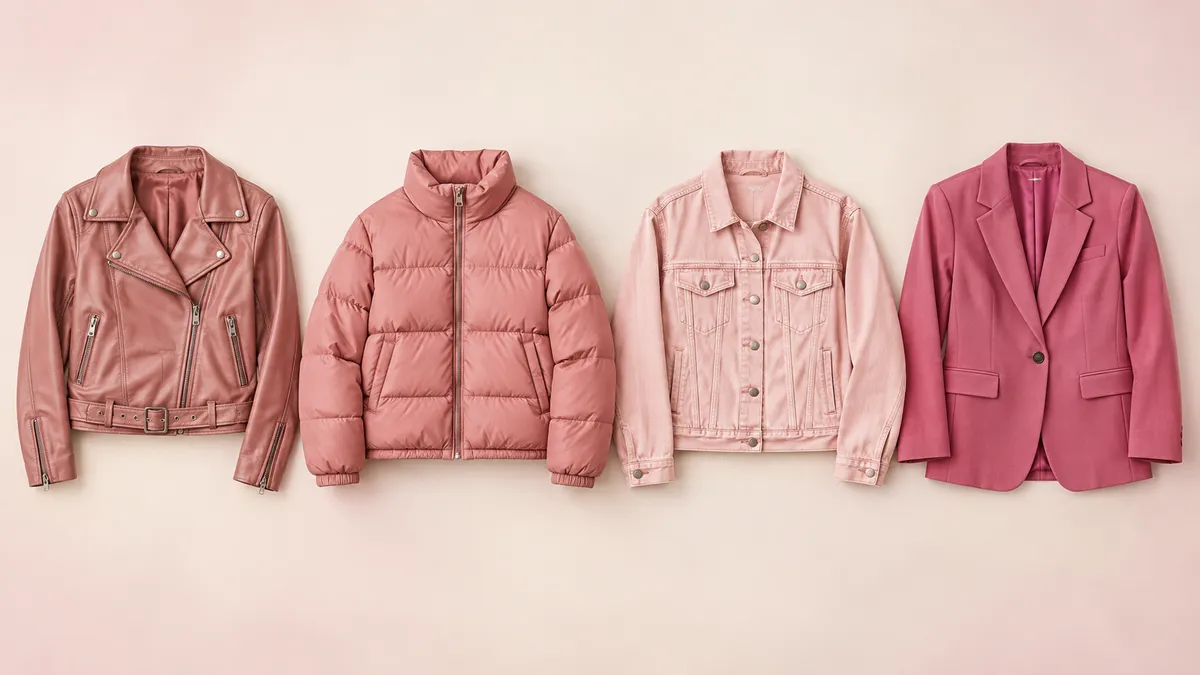
This guide turns a broad search into a short list. Start with what the jacket needs to do, then decide on climate, material, length, fit, budget, and shade—in that order. By the end, you should know which category deserves your shopping time.
The 60-Second Pink Jacket Finder
| Your real-life need | Start with | Why it works | Check before buying |
|---|---|---|---|
| A polished layer for work and dinner | Relaxed or tailored blazer | Gives tees, knits, denim, and trousers a clean frame | Shoulder line, sleeve length, lining, wrinkle recovery |
| A casual three-season jacket | Denim trucker or cotton chore jacket | Familiar, durable, and easy over dresses or separates | Fabric weight, stretch, crop, room through the shoulders |
| Cold-weather city use | Hip-length or long puffer | Adds insulation and practical coverage | Fill type, hood, cuffs, weather claim, layering room |
| A bold fashion statement | Leather, faux leather, or satin bomber | Texture gives pink extra depth and attitude | Material, hardware, finish, breathability, return terms |
| Light rain and active days | Technical shell or insulated synthetic jacket | Easier weather protection and movement | Waterproof versus water-repellent claim, seams, hood, ventilation |
| Soft warmth for mild cold | Fleece, teddy, or quilted liner jacket | Comfortable and relaxed without full winter volume | Wind resistance, lining, pocket placement, pilling risk |
If two rows describe you, choose the harder need first. A winter commuter can style a puffer for dinner; a beautiful blazer cannot become a winter coat.
Start With Your Use Case
Everyday errands and casual plans
Look for a jacket you can put on without changing the rest of the outfit. Denim, a clean bomber, a light puffer, or a chore shape works well because each one is familiar enough to mix with tees, knits, jeans, leggings, and simple dresses.
A medium rose, dusty pink, or warm blush keeps the jacket interesting without requiring a color strategy every morning. Hardware should be simple, pockets should be useful, and the sleeve should allow the layer you wear most often underneath.
Work and smart casual
Choose structure with enough ease to move. A pink blazer looks most modern when the shoulder sits intentionally—either clean and precise or clearly relaxed. A timid in-between fit can feel dated.
For a conventional office, dusty rose, muted mauve, or soft coral has presence without shouting. In a creative setting, saturated pink over charcoal, navy, or chocolate can look exceptionally polished.
Nights out and statement dressing
This is where leather, faux leather, satin, cropped bombers, and hot pink earn their place. Let the jacket be the event. A black column, a dark slip dress, or deep indigo denim gives it visual room.
Look closely at finish. Glossy material reflects light and amplifies color; matte material makes even a vivid pink feel more grounded.
Cold commutes and winter travel
Do not shop by “puffiness” alone. Compare insulation type, coverage, hood, cuffs, wind resistance, and the brand’s stated weather features. A longer jacket protects more of the body; a cropped puffer gives a stronger fashion proportion but less coverage below the waist.
For frequent wet cold, synthetic insulation or a jacket designed for damp conditions may be more practical. For cold, dry travel where weight and packability matter, down can offer excellent warmth for its weight. Read the actual product fields—fill power by itself is not a complete warmth rating.
Rain, wind, and active use
“Water-resistant” and “waterproof” are not interchangeable. A water-repellent finish may handle light precipitation; a waterproof shell is built for more sustained exposure and should be evaluated with seam construction, hood coverage, and breathability.
If movement is part of the plan, test the jacket zipped. Reach forward, raise your arms, sit down, and check whether the hem rides up or the shoulders bind.
Compare Pink Jacket Types
Blazer: the outfit finisher
Choose a blazer when you want the pink to look intentional and polished. Relaxed styles pair naturally with denim and sneakers; sharper tailoring works with trousers, skirts, and dresses. Look for a lining if you want it to slide easily over sleeves.
Denim: the easiest first pink jacket
Denim is forgiving because the silhouette already feels familiar. Pale pink reads soft and springlike; dusty rose feels more neutral; saturated pink creates a stronger casual statement. Rigid denim holds a crisp trucker shape, while stretch denim moves more easily.
Leather or faux leather: the texture statement
Pink leather gives sweetness an edge. Moto hardware feels energetic; a clean racer jacket is quieter; a cropped shape makes high-waisted bottoms the natural partner. Compare the actual material and finish rather than assuming every “leather-look” jacket behaves the same way.
Puffer: warmth with color confidence
The puffer makes pink visible across an entire winter look. Short silhouettes are sporty and strong with wide-leg pants; regular hip-length jackets are easiest for everyday use; long puffers prioritize coverage. Start with the insulation and weather details, then decide between matte, soft shine, or high gloss.
Bomber: relaxed volume
A bomber brings a curved, slightly athletic line. Satin makes the pink luminous, nylon feels sportier, leather adds weight, and canvas makes the silhouette more grounded. Check the ribbed hem placement: it determines where the volume ends.
Rain shell or technical jacket: function first
Choose this category when wet weather, wind, packability, or active movement drives the purchase. Pink can improve visibility and mood, but the decisive fields are hood adjustment, closures, seams, ventilation, and the brand’s precise weather claim.
Choose the Pink Shade
The right shade should work with the colors already hanging in your closet.
- Mostly black, charcoal, and white: almost any pink can work. Blush is soft, dusty rose is refined, and fuchsia makes the strongest graphic statement.
- Mostly cream, camel, chocolate, and olive: try coral pink, warm blush, salmon rose, or softened dusty pink.
- Mostly navy and denim: baby pink, clear rose, dusty pink, and hot pink all have an easy relationship with blue.
- Mostly burgundy, plum, and gray: mauve, blue-based rose, and deeper raspberry create a sophisticated tonal story.
Fabric changes the color. The same pink can look powdery in brushed wool, sharper in smooth nylon, deeper in suede, and brighter in satin. Whenever possible, view the jacket in daylight and next to your most-worn pants.
If you want to explore how pink interacts with your complexion, use the pink jacket skin-tone guide as a try-on tool—not as a rulebook.
Fit and Length: Choose the Silhouette, Not a Body Rule
Cropped
Ends around the waist or high hip and creates a clear break above the bottom half. It works especially well with high-rise jeans, wide-leg trousers, and longer skirts. Check what happens when you sit and whether the back remains covered enough for your routine.
Hip length
The most flexible everyday length. It gives room for pockets and insulation without changing the proportion of every outfit. Make sure the hem does not catch at the widest point of the hip when zipped.
Bum-covering
Useful for cold commutes and leggings, and visually calmer than a sharp crop. Test stairs, sitting, and driving so the longer hem does not bunch.
Mid-thigh to long
Best when coverage is the priority. A two-way zipper, side snaps, or vent can make walking and sitting more comfortable. With voluminous puffers, keep the footwear visually substantial enough to balance the coat.
Slim, regular, relaxed, or oversized?
- Slim: clean over a tee or fine knit; least forgiving for thick layers.
- Regular: dependable for everyday layering.
- Relaxed: roomier through the body and often the easiest modern choice.
- Oversized: a deliberate silhouette, not simply a larger size. Confirm sleeve, shoulder, and hem proportions rather than sizing up blindly.
Try the jacket over the thickest layer you expect to wear. Zip it, cross your arms, reach forward, and put your hands in the pockets. Fit is a movement test, not a mirror pose.
Materials and Weather
| Material or construction | What it does well | Watch for |
|---|---|---|
| Down insulation | Strong warmth-to-weight ratio and packability | Loses loft when wet; fill power is not the same as total insulation amount |
| Synthetic insulation | Dries faster and retains useful insulation when damp | Often heavier or less compressible for comparable use |
| Denim cotton | Durable, familiar, breathable in transitional weather | Limited rain and wind protection unless specially constructed |
| Leather | Wind-resistant surface, structure, rich color depth | Weight, care, breathability, and variation by leather type |
| Faux leather | Lower entry price and many finishes | Breathability, peeling risk, hand feel, and actual fiber construction |
| Wool blend | Polished texture and comfortable cool-weather warmth | Blend percentage, lining, pilling, and rain exposure |
| Technical shell | Wind and precipitation management | Confirm waterproof or water-resistant language, seams, and breathability |
No single material wins every category. Buy for the hardest condition the jacket will face most often.
Set a Budget That Matches the Job
Under $100: experiment or solve a narrow need
This range can be excellent for denim, fleece, light synthetic jackets, and trend-led statement pieces. Inspect closures, lining, seam finish, material composition, and return terms. Do not expect every low-cost puffer to provide serious winter performance.
$100–$300: the broadest field
You will find stronger denim, better-finished faux leather, many branded synthetic jackets, and a wide range of down or hybrid puffers. Compare the fields that matter rather than paying for a familiar logo alone.
$300 and up: buy specificity
Premium pricing makes the most sense when it buys a distinctive material, refined construction, technical performance, extended coverage, or a silhouette you cannot find elsewhere. A higher price is not a styling advantage by itself.
Instead of asking, “Is this jacket worth the price?” ask, “Which specific problem does the extra money solve for me?”
Three Shopping Paths
The versatile first buy
Choose a dusty-rose denim jacket or relaxed blazer in a hip-length shape. Wear it with white, charcoal, navy, denim, and chocolate. Prioritize a comfortable shoulder and useful pockets.
The winter workhorse
Choose a regular or longer puffer with a real insulation specification, hood and cuff details, and a clearly stated weather finish. A muted rose, soft mineral pink, or raspberry can remain easy to style all winter.
Continue to the pink puffer jacket buying guide.
The fashion punctuation mark
Choose a hot-pink blazer, cropped moto, or satin bomber. Keep the outfit architecture simple: one clean base color, one strong jacket, and accessories that repeat either the base or the jacket’s temperature.
See complete combinations in Pink Jacket Outfits.
Your Final Decision Checklist
Before buying, answer all ten:
- What weather and temperature range will I realistically wear it in?
- Is this an indoor layer, transitional jacket, or winter outerwear?
- Does the product state its insulation and weather features clearly?
- Can it zip comfortably over my thickest intended layer?
- Can I reach, sit, and drive without binding or bunching?
- Does the length work with at least three bottoms I already own?
- Can I name three outfit color combinations from my closet?
- Is the pink still appealing in natural light?
- Are the care requirements realistic for me?
- If I am paying more, what useful feature or construction detail am I buying?
When the answers are clear, the color stops feeling risky. It becomes the reason the right jacket feels like yours.
Frequently Asked Questions
What is the easiest pink jacket to wear?
A dusty-rose denim jacket, relaxed blazer, or streamlined hip-length puffer is a strong first choice. Familiar silhouettes keep the color approachable, while medium and muted pinks mix easily with navy, denim, cream, gray, and brown.
Should a pink jacket be fitted or oversized?
Choose based on function and the outfit line you want. A fitted jacket is clean over thin layers; a relaxed fit handles knitwear and feels current; an oversized jacket should have intentional proportions rather than looking like an accidental size-up.
Which pink jacket works for cold weather?
Look for an insulated puffer or parka and evaluate fill type, coverage, hood, cuffs, wind protection, and the brand’s weather statements. Color and visible loft do not establish a temperature rating.
How do I choose a pink that matches my wardrobe?
Put your most-worn pants and shoes next to the jacket. Warm neutrals favor coral, warm blush, and dusty rose; black and charcoal support almost any pink; navy and denim work beautifully with baby pink, clear rose, and fuchsia.
Is an expensive pink jacket automatically better?
No. Pay more when the higher price buys a material, fit, construction detail, or performance feature you will use. For an occasional trend piece, a carefully chosen lower-cost option may be the smarter buy.
Keep Exploring
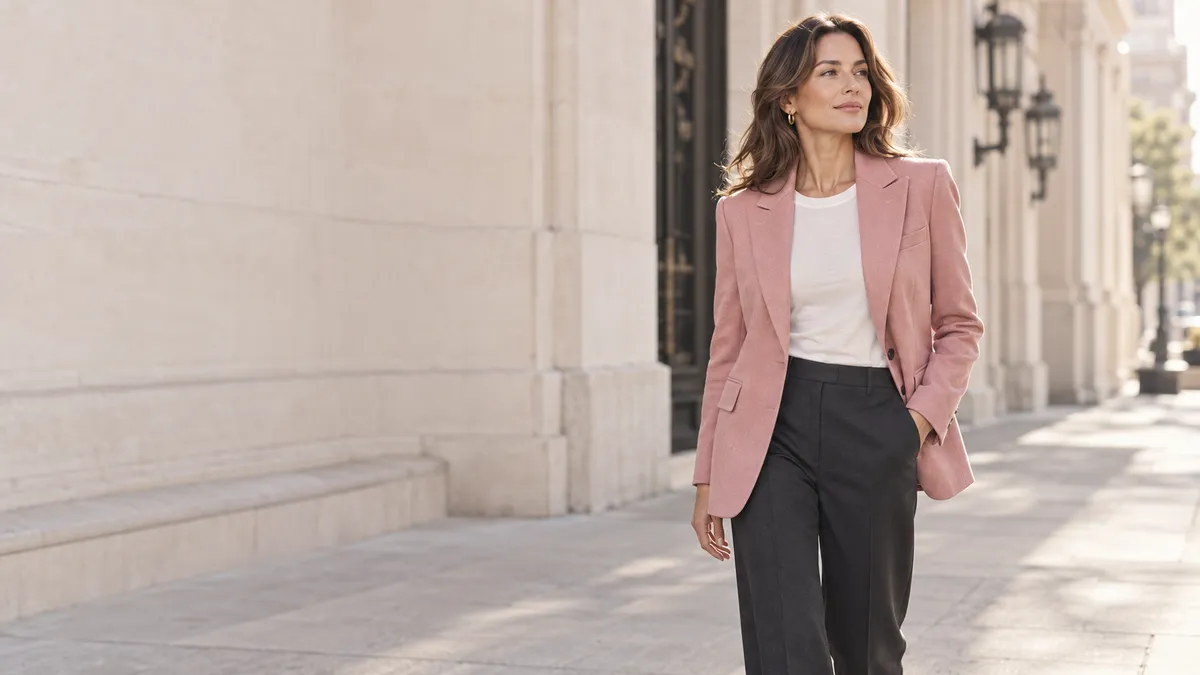
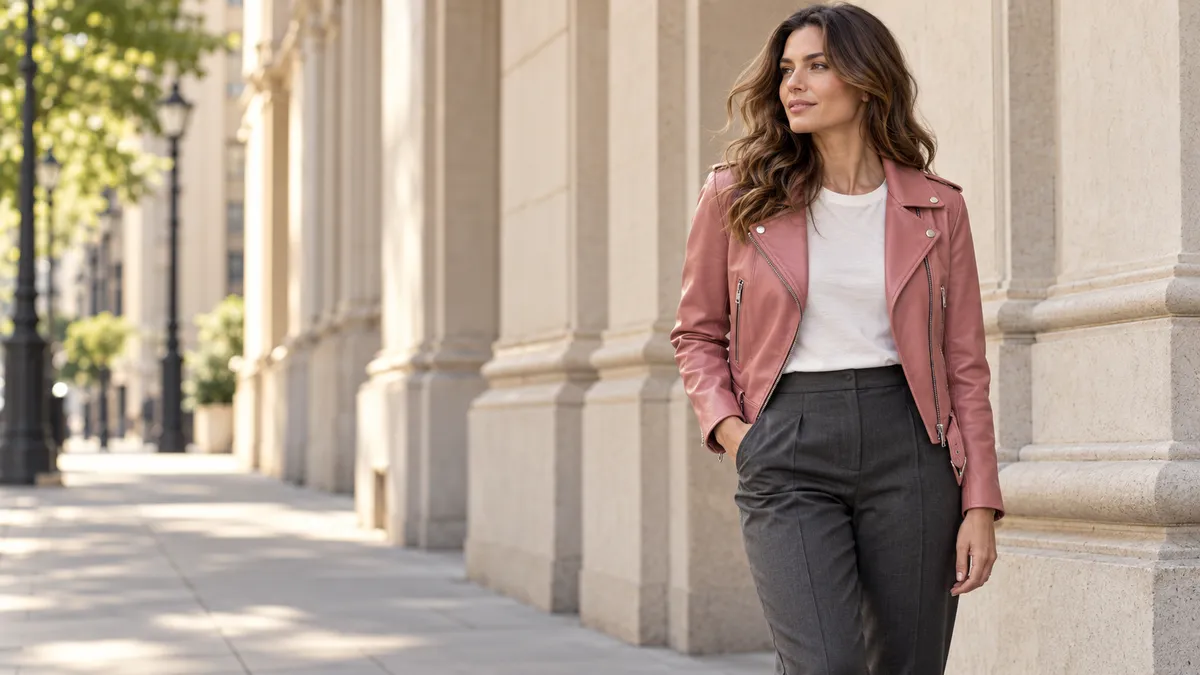
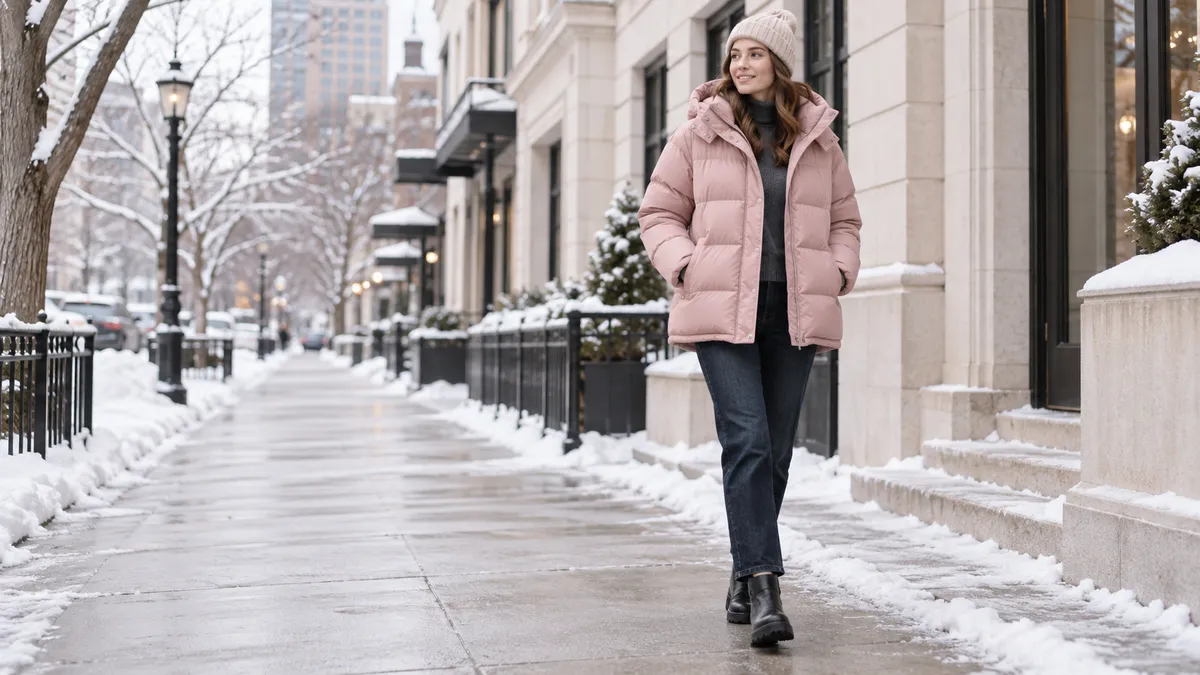
The Pink Puffer Edit
Compare lengths, insulation and silhouettes for your winter wardrobe.
Read the guide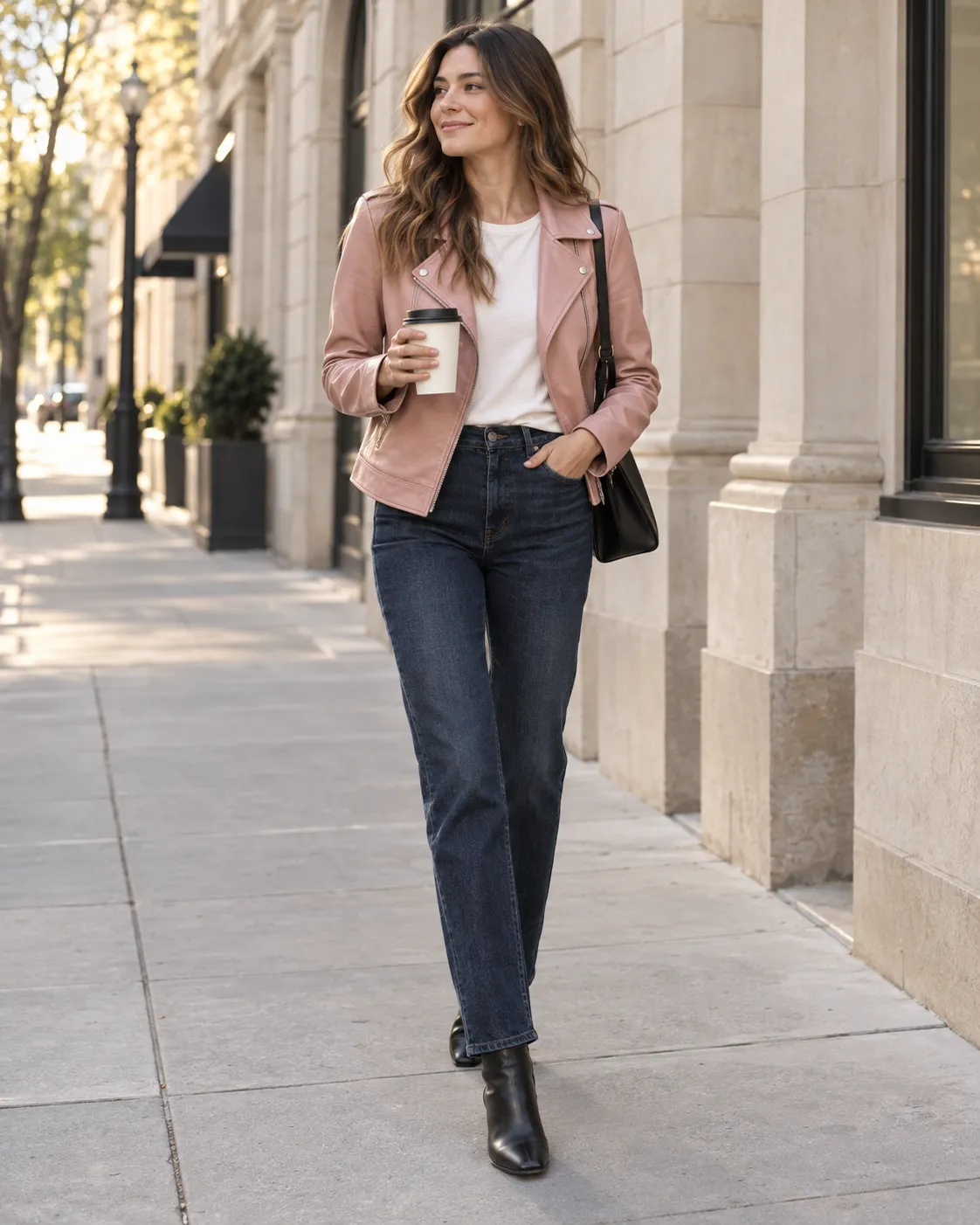
Which Pink Suits You?
Explore blush, coral, rose and fuchsia with a fresh approach to skin tone.
Read the guide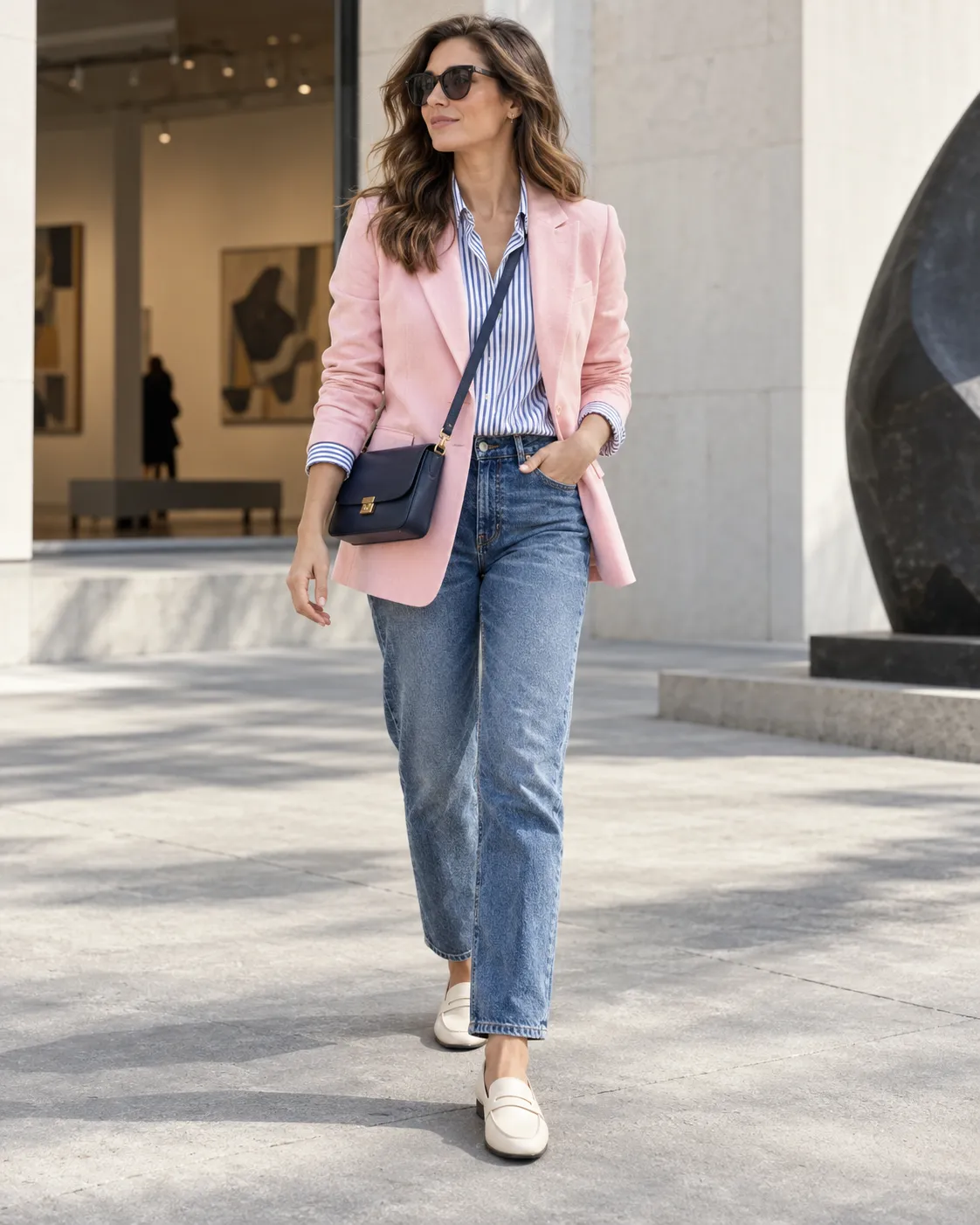
10 Pink Jacket Outfits
From a coffee-run moto to a winter travel look, ten complete ways to wear pink.
Read the guide